
The Allure of Risk and Reward
The psychology of gambling in casinos is intricately tied to the allure of risk and reward. Individuals are often drawn to games of chance, motivated by the prospect of significant financial gain. This fascination extends beyond mere monetary incentives; it taps into fundamental psychological triggers such as thrill-seeking and the craving for instant gratification. The excitement generated by potential rewards can create a compelling drive that encourages individuals to engage in gambling, frequently overshadowing the inherent risks associated with such activities. This complex interplay between risk and reward, especially evident in places like neosurf casino , is a critical factor that casinos exploit to attract and retain players.
Moreover, the thrill experienced during gambling sessions can lead to the release of dopamine, a neurotransmitter linked to pleasure and reward. This chemical reaction instills a sense of euphoria, making the gambling experience highly addictive. For many, even the occasional win reinforces the behavior, prompting repeated visits to casinos where they initially sought excitement. This phenomenon can lead to a cycle where the anticipation of winning overshadows the reality of losses. Understanding this psychological dynamic is essential in recognizing why gambling remains an enduring form of entertainment, despite its risks, as the emotional highs often outweigh the financial lows in the minds of many players.
The environment of casinos is meticulously designed to enhance this psychological allure. With vibrant lights, captivating sounds, and the constant presence of other enthusiastic players, casinos craft an immersive atmosphere that heightens excitement. The absence of clocks and windows further contributes to this effect, encouraging players to lose track of time and prolong their gambling experiences. This carefully curated ambiance not only attracts newcomers but also fosters a sense of community among regular gamblers, creating a lively social scene that amplifies the overall thrill. Such environments are engineered to keep players engaged, often leading them to gamble longer than they initially intended.
The Impact of Cognitive Biases
Cognitive biases significantly influence how individuals perceive and engage in gambling activities. One prevalent bias is the illusion of control, where players believe they can influence the outcome of games of chance. This belief is particularly evident in games like dice or slot machines, where players might develop superstitions or rituals to ‘boost’ their odds of winning. Such cognitive distortions can lead individuals to underestimate the inherent randomness of these games, ultimately resulting in prolonged gambling behavior that defies logical reasoning. The illusion of control can often create a false sense of security, making players feel more competent than they really are.
Additionally, the gambler’s fallacy represents another common cognitive bias among casino patrons. This phenomenon occurs when individuals mistakenly believe that previous outcomes can influence future results in a random game. For instance, if a roulette wheel has landed on red multiple times consecutively, a gambler may feel that black is “due,” leading them to place bets based on this flawed logic. These biases have a profound impact on decision-making, fostering unrealistic expectations that can encourage continuous gambling. Such cognitive errors can trap individuals in a cycle of betting that exacerbates their financial losses and emotional distress.
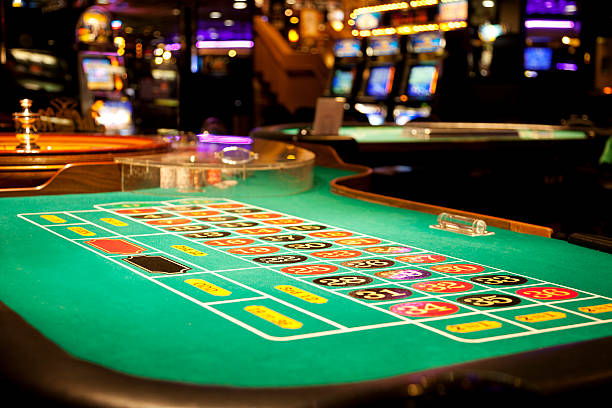
The effect of cognitive biases is further magnified by the social environment within casinos. Observing others winning or experiencing excitement can reinforce an individual’s belief in their own chances of success. This social proof can escalate gambling behavior, as players aim to replicate what they perceive as attainable outcomes. The interplay of cognitive biases and the social atmosphere creates a potent psychological environment that encourages ongoing engagement with gambling behaviors, often regardless of the financial implications involved. This dynamic can lead to a collective reinforcement of irrational beliefs about luck and skill, further entrenching individuals in their gambling activities.
The Role of Emotions in Gambling Behavior
Emotions play a pivotal role in shaping gambling behavior, with both positive and negative feelings driving individuals to casinos. Many people turn to gambling as an escape from everyday stresses, seeking comfort in the potential for a substantial win. The thrill of participation can provide an emotional high, offering a temporary distraction from personal issues. This emotional connection to gambling can make casinos appealing to those looking to manage anxiety or depression, albeit often paving the way for unhealthy coping mechanisms. The promise of excitement can overshadow the potential for adverse consequences, leading individuals to prioritize short-term gains over long-term well-being.
Conversely, experiencing losses can invoke a range of negative emotions, including frustration, anger, and despair. For some, these feelings can lead to an intensified urge to gamble in hopes of recouping lost funds. This cycle of chasing losses can establish a harmful pattern where individuals gamble not for enjoyment, but as a desperate attempt to alleviate their emotional pain. The dynamic interplay between emotions and gambling behavior creates a precarious balance, frequently causing individuals to become further entrenched in gambling activities. Such patterns often trap players in a vicious cycle of emotional highs and lows that can be difficult to break.
Furthermore, casinos are adept at using emotions to enhance the overall gambling experience. For example, upbeat music, celebratory announcements of significant wins, and the sight of thrilled players can amplify feelings of exhilaration and camaraderie. Gamblers become engulfed in the emotionally charged atmosphere of the casino, which can cloud their judgment and lead to impulsive decisions. This strategic design not only promotes longer gambling sessions but also increases the likelihood of emotional spending, making it crucial for players to remain aware of their emotional states while engaging in gambling activities. The emotional manipulation inherent in the casino environment can significantly affect individual decision-making processes.
Social Factors Influencing Gambling
The social context of gambling is an essential aspect to consider when examining the psychology of casino-goers. Many individuals experience gambling as a social activity, often visiting casinos with friends or family. This communal aspect can enhance the overall experience, transforming it into a shared event rather than a solitary pursuit. The collective excitement and interaction with others can elevate enjoyment levels, prompting players to gamble more than they might if they were alone. In such social settings, the shared anticipation of wins can create a stronger bond among participants, reinforcing their engagement in gambling activities.

However, social influences can also lead individuals toward problematic gambling behaviors. Peer pressure and the desire to conform can result in increased gambling frequency or a willingness to overspend. In some instances, individuals may downplay the risks associated with gambling due to the influence of friends or family members who also partake in such activities. The social acceptance of gambling can further normalize the behavior, making it seem less risky and more appealing. This normalization can create a culture where excessive gambling is overlooked, increasing the likelihood of developing gambling-related issues.
In addition, the rise of social media and online communities has transformed how gambling is perceived and engaged with. Many casinos utilize social platforms to promote their games and events, fostering a sense of community that extends beyond physical locations. Online forums and social media groups allow gamblers to share experiences, successes, and strategies, reinforcing the social dimensions of gambling. This interconnectedness amplifies feelings of camaraderie and competition, enticing individuals to visit casinos more frequently and participate in higher-stakes games. The impact of digital social networks on gambling behavior highlights the evolving landscape of casino culture, where social interaction can significantly influence individual choices.
Understanding Gambling Behavior Through Research
Research into gambling behavior has yielded valuable insights into the psychological underpinnings of this multifaceted activity. Numerous studies have investigated the motivations behind gambling, revealing that thrill-seeking, social interaction, and emotional escape serve as key drivers. Understanding these motivations allows for the development of prevention strategies aimed at mitigating harmful gambling behaviors. Psychologists and behavioral scientists work collaboratively to analyze patterns and trends that can inform individuals and regulatory bodies regarding responsible gambling practices. This research is critical in developing targeted interventions that address the specific needs of different populations.
Moreover, extensive research has illuminated the demographic factors that influence gambling behavior. Data collected from various populations provides crucial information on how age, gender, and socio-economic status impact gambling tendencies. For instance, younger individuals may be more inclined to engage in online gambling, while older generations might prefer traditional casinos. This demographic analysis is essential for tailoring prevention programs and support services aimed at specific groups most susceptible to developing gambling-related problems. Understanding these nuances helps create more effective outreach efforts that can resonate with diverse audiences.
Finally, ongoing research is essential for understanding the evolving landscape of gambling, particularly with the emergence of online gaming platforms and mobile applications. As technology advances, it transforms how individuals interact with gambling and influences their behaviors. Continuous examination of these trends enables stakeholders to adapt their strategies, ensuring that individuals can enjoy gambling as a form of entertainment while minimizing the potential for addiction and harm. Understanding these dynamics is key to fostering a safer gambling environment for all participants, ensuring that the entertainment value of gambling does not come at the cost of individual well-being.